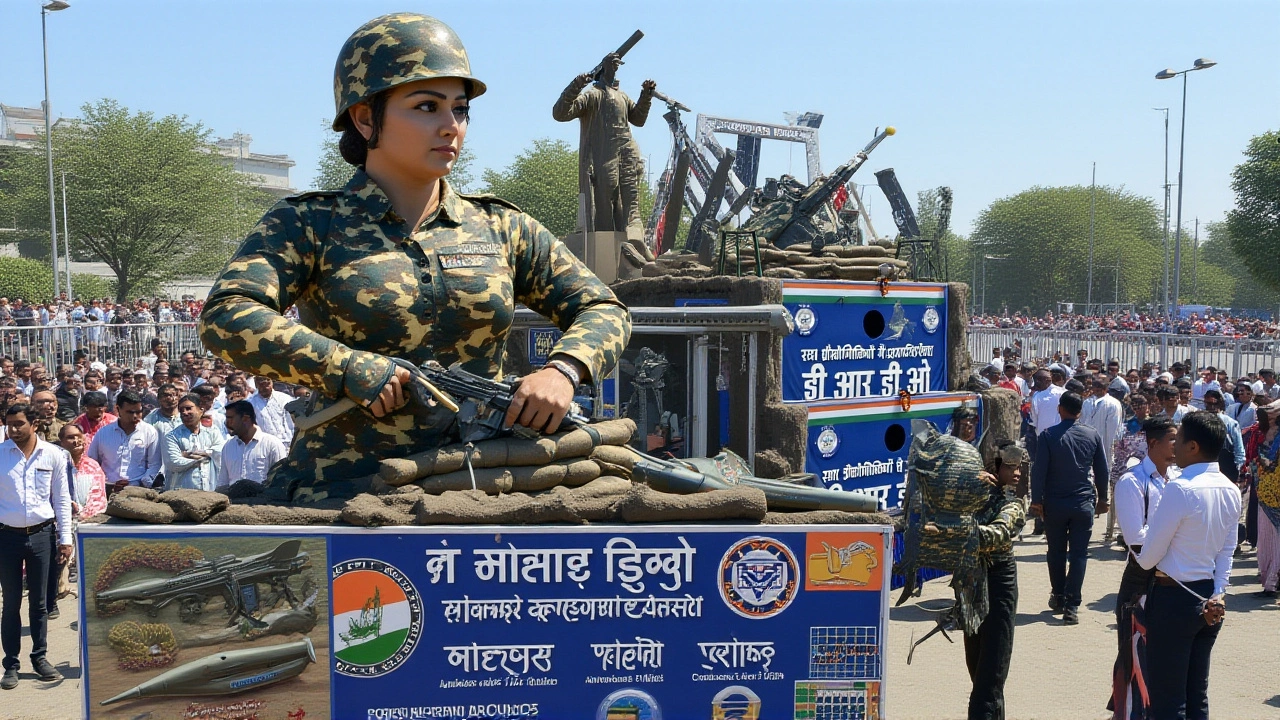
When Defence Research and Development Organisation (DRDO) rolled out its latest hardware showcase in Bihar, it wasn’t just another trade fair. It was a statement. From April 15 to 18, 2026, the organization turned the Mahatma Gandhi Auditorium in Motihari into a hub of indigenous military might, displaying everything from missile systems to advanced radar tech.
The event, themed “Confluence of Peace, Truth, and Science – Towards a Secure and Self-Reliant India,” aims to demystify defence technology for the public while highlighting India’s strides under the Atmanirbhar Bharat (Self-Reliant India) initiative. Here’s the thing: this isn’t happening in New Delhi or Hyderabad. It’s in North Bihar, signaling a deliberate push to bring high-tech defence awareness to tier-2 cities and rural populations.
A Glimpse Into India’s Arsenal
If you’ve ever wondered what India’s homegrown defence capabilities look like outside of news headlines, this expo offered a rare, up-close view. The displays weren’t just static models; they represented active systems currently serving or being integrated into the Indian Armed Forces.
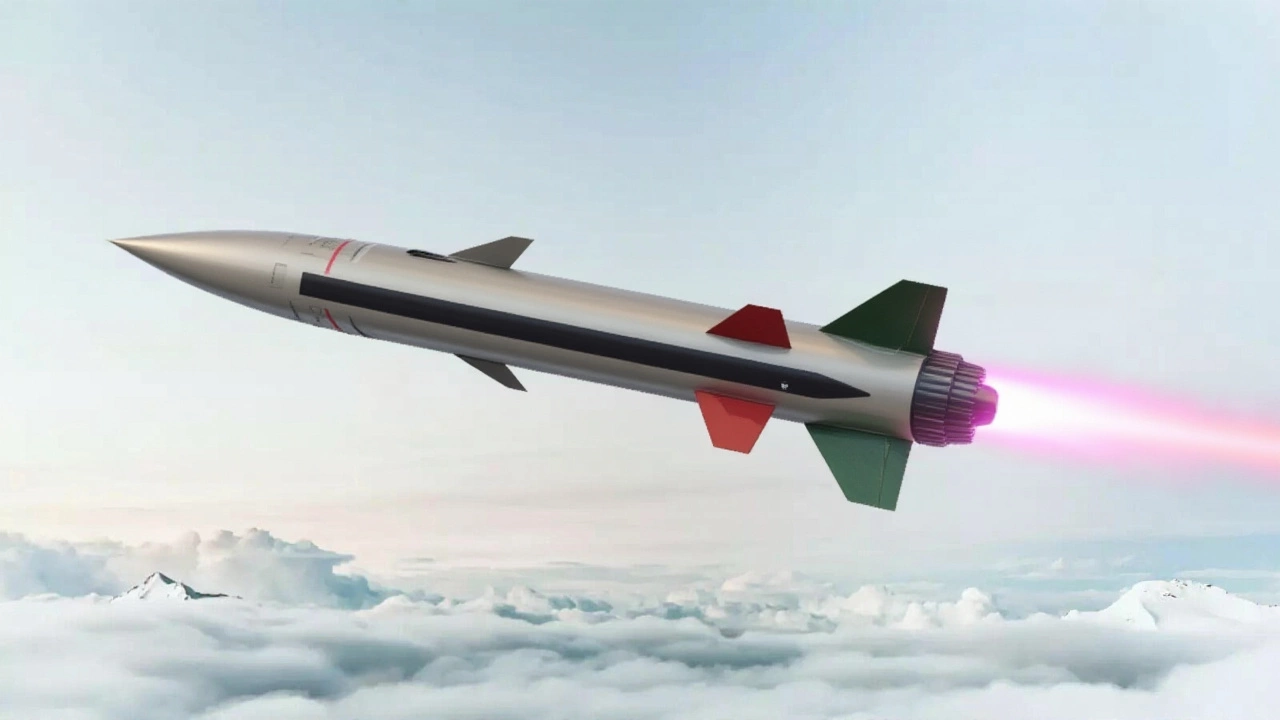
Visitors could see detailed replicas of the Agni and BrahMos cruise missiles, alongside the Prithvi ballistic missile system. But the real draw? The air defence suite. Models of the Akash surface-to-air missile and its next-generation launcher (AKASH-NG) stood prominently, showcasing how India is closing the gap on aerial threats. Even the controversial Anti-Satellite Missile capability had a presence, reminding attendees that space is now a recognised domain of warfare.
On the ground, the heavy hitters were there too. The Arjun Main Battle Tank, the Indian Light Tank designed for Himalayan terrains, and the Pindora Multi-Barrel Rocket System dominated the land warfare section. For engineering enthusiasts, the Advanced Towed Artillery Gun System (ATAGS) offered a peek at modern artillery precision.
More Than Just Missiles: Safety and Surveillance
It’s easy to focus on the boom-and-bust weapons, but DRDO also highlighted the unsung heroes of modern combat: detection and protection.
The Uttam AESA Radar system, known for its ability to track multiple targets simultaneously, was a key exhibit. So was the Drone Detection Radar, a critical tool as unmanned aerial vehicles become ubiquitous in both civilian and military airspace. Then there’s the stuff that keeps soldiers alive: ballistic helmets, blast-proof suits, and sophisticated Chemical Agent Detection Systems. These aren’t sci-fi concepts; they’re standard issue for troops operating in hazardous environments.
One standout was the rapid prototype model of the Kaveri Engine. After years of development challenges, seeing a tangible representation of India’s attempt to master jet engine technology underscores the long-term vision behind these indigenous projects.
Why Motihari? The Political and Social Angle
The choice of location matters. Radha Mohan Singh, Member of Parliament and Chairman of the Parliamentary Standing Committee on Defence, inaugurated the event. His dual role is significant—he doesn’t just represent the constituency; he oversees defence policy scrutiny in Parliament.
This alignment suggests a coordinated effort to link local political leadership with national security narratives. By bringing the expo to Motihari, DRDO is tapping into a demographic often excluded from high-tech discourse. The goal? Inspire the youth.
“The objective is to familiarize the common man, especially the youth, with innovations in the defence sector,” said officials quoted by DD News. “It gives people an opportunity to understand the country’s defence capabilities up close.” In a region where career aspirations are often limited to traditional sectors, exposure to aerospace and defence engineering can spark interest in STEM fields.
Public Reaction and Media Coverage
Local media, including HTV News, reported large crowds gathering even before the official start. “People are face-to-face with modern defence technologies,” one report noted, capturing the sense of wonder among attendees. For many residents of North Bihar, seeing a BrahMos missile replica or a drone detection system isn’t just educational—it’s empowering.
The timing is strategic. With the announcement made on April 13, 2026, via DD News and All India Radio, the build-up created anticipation. By placing the event in a non-metro city, DRDO is testing the waters for decentralised defence diplomacy—showing that national security is a shared responsibility, not just a metropolitan concern.
What This Means for India’s Defence Strategy
This expo is more than a photo op. It reflects a broader shift in India’s defence procurement and manufacturing strategy. Under Atmanirbhar Bharat, the government has been aggressively pushing for indigenisation. Every system displayed—from the Nag anti-tank guided missile to the modular bridging systems—was developed domestically.
The ripple effects could be substantial. Increased visibility may lead to greater local participation in the defence supply chain. If young engineers in Bihar see viable careers in defence R&D, talent retention improves. Moreover, public support for defence spending often grows when citizens understand what their taxes fund.
Looking ahead, expect similar roadshows in other regions. If Motihari works, why not Patna, Guwahati, or Imphal? The formula is simple: bring the tech to the people, inspire the next generation, and reinforce the narrative of self-reliance.
Frequently Asked Questions
Who inaugurated the DRDO expo in Motihari?
The event was inaugurated by Radha Mohan Singh, who serves as the Member of Parliament for the Samastipur-Motihari constituency and is also the Chairman of the Parliamentary Standing Committee on Defence. His involvement highlights the intersection of local representation and national defence oversight.
What specific technologies were displayed at the expo?
The expo featured a wide range of systems including the Agni, BrahMos, Prithvi, and Akash missile families; the Arjun Main Battle Tank and Indian Light Tank; the ATAGS artillery system; Uttam AESA Radar; Drone Detection Radar; and protective gear like ballistic helmets and blast-proof suits. A rapid prototype of the Kaveri Jet Engine was also showcased.
Why was Motihari chosen for this defence exhibition?
Motihari was selected to bring high-tech defence awareness to North Bihar, a region often overlooked in such events. The aim is to inspire local youth towards STEM careers and demonstrate the benefits of the Atmanirbhar Bharat initiative beyond major metropolitan hubs, fostering a sense of national pride and inclusion.
Is this part of a larger government initiative?
Yes, the expo aligns with the Atmanirbhar Bharat (Self-Reliant India) mission, which emphasizes indigenous production in the defence sector. By showcasing homegrown technologies, DRDO aims to reduce import dependence and boost domestic manufacturing capabilities, a key pillar of current government policy.
When and where did the event take place?
The mega defence exhibition was held from April 15 to 18, 2026, at the Mahatma Gandhi Auditorium in Motihari, Bihar. The dates were announced publicly on April 13, 2026, through major news outlets like DD News and All India Radio.