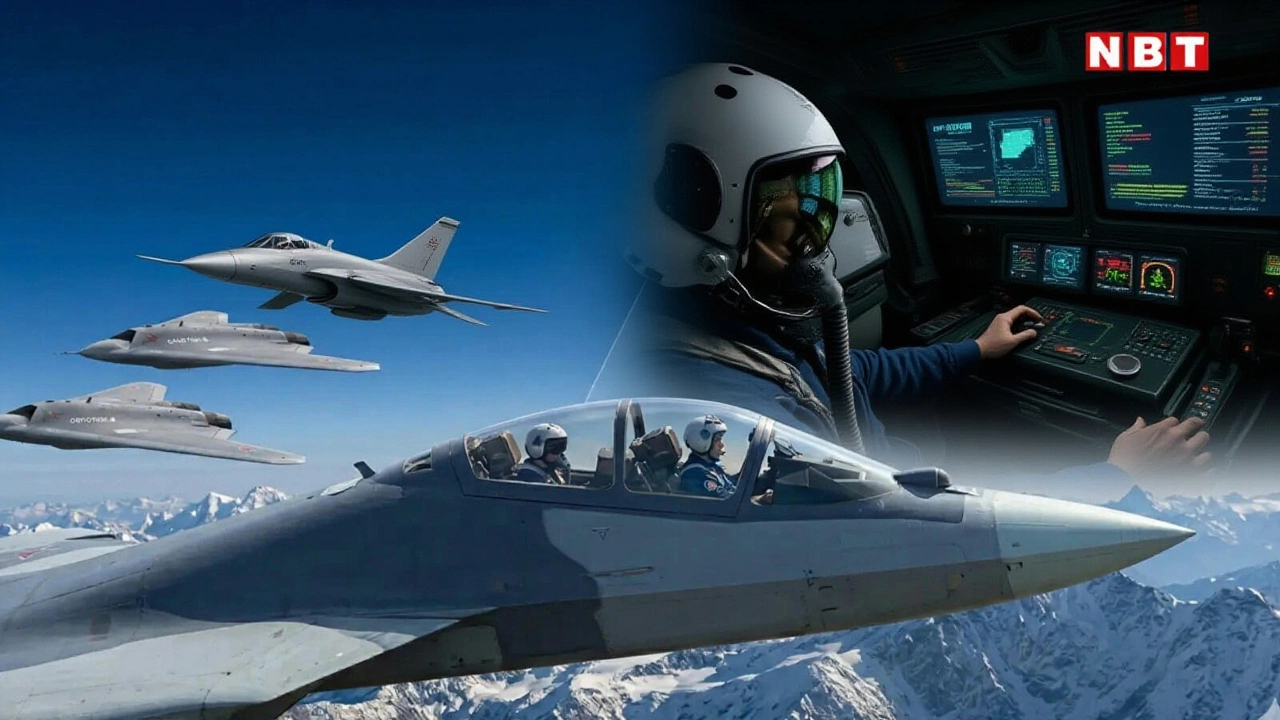
When Indian military forces launched retaliatory strikes using SCALP and BrahMos cruise missiles on May 7, 2025, the expected shield failed. The target was Pakistan and Pakistan-occupied Kashmir, following a terror attack in Pahalgam. But the real story isn't just the retaliation—it's what happened to the air defense systems meant to stop it.
Here’s the thing: Pakistan had spent years building up its aerial defenses with advanced hardware from China. Specifically, the HQ-9 long-range surface-to-air missile system. Analysts are now saying that during this first round of combat—dubbed Operation SindoorJammu and Kashmir—those systems didn’t perform as advertised. Instead of creating an impenetrable dome, they appeared to crumble under precise Indian targeting.
The Failure of the 'Chinese Made' Shield
Reports from major Hindi media outlets like Navbharat Times and defense analysis platforms suggest a stark reality. The HQ-9, developed by China Precision Machinery Import-Export Corporation (CPMIEC), is theoretically impressive. It boasts a range between 125 and 200 kilometers and can supposedly track up to 100 targets simultaneously. Pakistan integrated these systems into its arsenal in 2021, specifically to counter threats like India’s Rafale jets, Su-30 MKIs, and supersonic BrahMos missiles.
But theory doesn’t always match practice. During the strikes, Indian missiles reportedly bypassed or overwhelmed the Pakistani interceptors. One defense analyst noted on television that India “selected and shot down” incoming threats while simultaneously penetrating Pakistan’s airspace. The implication? The HQ-9’s radar and tracking capabilities may have been insufficient against the speed and maneuverability of modern cruise missiles. Oddly enough, despite being labeled "advanced," the system failed to prevent significant damage to strategic locations.
Operation Sindoor: A Strategic Shift?
This wasn't just a tactical skirmish; it was a statement. The operation followed a terrorist attack in Pahalgam, Jammu and Kashmir, which drew widespread condemnation. In response, New Delhi executed a calculated strike. The use of SCALP (French-made) and BrahMos (Indo-Russian joint venture) missiles highlighted India’s diversified armament strategy compared to Pakistan’s heavy reliance on Chinese imports.
Turns out, diversification matters. While Pakistan relies heavily on the J-10 fighter jets, JF-17 Thunder, PL-15 air-to-air missiles, and CH-4 drones—all supplied by Beijing—India has maintained partnerships with France, Russia, Israel, and domestic manufacturers. This operational flexibility allowed Indian forces to exploit weaknesses in the unified Chinese supply chain. As one commentator put it, "Operation Sindoor broke the back of both Pakistan and China." That’s strong language, but it reflects the shockwaves rippling through South Asian geopolitics.
The Debt Trap and Dependency Dilemma
There’s another layer to this story, one that goes beyond ballistics. Pakistan’s economic situation is precarious. Many analysts argue that Islamabad has become increasingly dependent on Beijing, not just militarily but financially. Through the China-Pakistan Economic Corridor (CPEC), part of the broader Belt and Road Initiative, China has invested billions in infrastructure projects ranging from roads to ports like Gwadar.
However, critics describe this relationship as exploitative. Some TV debates went so far as to call Pakistan a "slave" to Chinese debt, suggesting that any lender could pick up the "whip" of financial control. With its economy struggling, Pakistan finds itself in a tough spot: needing modern weapons to deter India but lacking the funds to buy them independently. So, it turns to China. But if those weapons fail in their primary test, the political cost for Islamabad—and the reputational cost for Beijing—is enormous.
Broader Geopolitical Implications
Why does this matter to you? Because regional stability affects global security markets, energy supplies, and diplomatic alliances. If China’s premier air defense system proves unreliable against mid-tier adversaries like India, other nations might hesitate before purchasing similar technology. Think about countries in Southeast Asia or Africa considering Chinese military hardware—they’ll be watching closely.
Furthermore, the incident highlights the risks of over-reliance on a single supplier. Just as businesses diversify their supply chains to avoid disruptions, nations must balance their defense procurement. Pakistan’s current trajectory suggests deepening integration with China’s sphere of influence, potentially at the expense of sovereignty. Whether this leads to further isolation or renewed dialogue remains unclear.
What Happens Next?
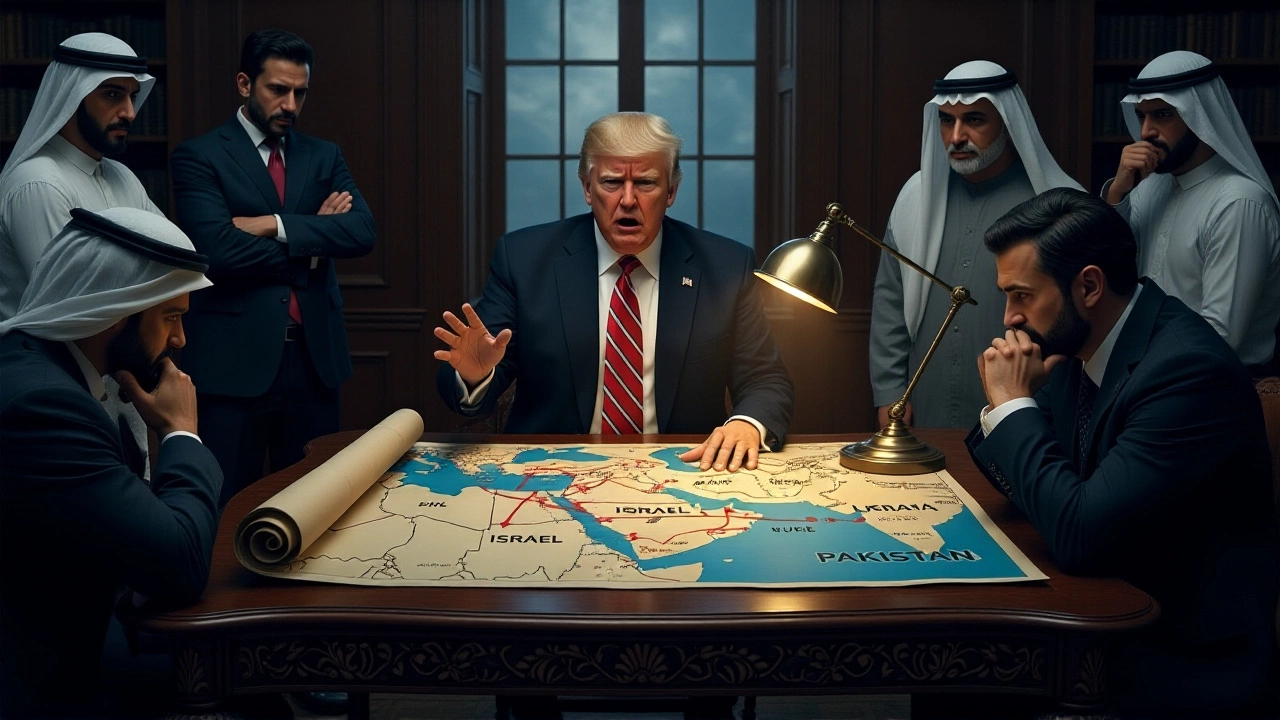
In the immediate aftermath, there are calls for de-escalation. Reports indicate that senior Pakistani military officials, including the Chief of Army Staff, signaled openness to talks if invited thirty times—a metaphorical nod to desperation. Meanwhile, India continues to strengthen its border infrastructure along the Line of Control and the Actual Ground Position Line in Ladakh.
We should also keep an eye on how Beijing responds. Will it offer technical support to fix the HQ-9 issues? Or will it distance itself publicly to preserve its own credibility? Historically, China has avoided direct confrontation but uses proxies to project power. This episode tests that model.
Historical Context: From Tibet to Today
To understand today’s tensions, we need to look back. China’s occupation of Tibet began in October 1950, establishing a permanent military presence that still influences Himalayan geopolitics. Today, Chinese troops operate near sensitive areas like Depsang and Pangong Tso, frequently clashing with Indian forces. The transfer of advanced weaponry to Pakistan serves as a counterbalance to India’s growing strength.
Yet, history shows that borrowed strength often comes with strings attached. In the 1960s, Soviet aid helped build Pakistan’s nuclear program, but it also tied Islamabad to Moscow’s interests. Now, China plays a similar role. The question is whether Pakistan can maintain autonomy while riding the dragon’s coattails.
Frequently Asked Questions
What exactly is the HQ-9 missile system?
The HQ-9 is a long-range surface-to-air missile system developed by China Precision Machinery Import-Export Corporation. It is designed to intercept aircraft, ballistic missiles, and cruise missiles at ranges up to 200 kilometers. Pakistan acquired the system in 2021 to enhance its air defense capabilities against potential threats from India.
Why did the HQ-9 fail during Operation Sindoor?
Analysts suggest that the HQ-9 struggled to track and intercept the high-speed, low-altitude flight paths of Indian SCALP and BrahMos cruise missiles. Additionally, coordinated electronic warfare and decoy tactics may have overwhelmed the system's radar capacity, leading to interception failures.
How does this affect China-Pakistan relations?
The failure raises questions about the reliability of Chinese military hardware, potentially damaging Beijing's reputation as a arms supplier. For Pakistan, it highlights the risks of economic and military dependency on China, especially given its existing debt burdens under the CPEC initiative.
What is Operation Sindoor?
Operation Sindoor refers to the series of retaliatory missile strikes conducted by India on May 7, 2025, targeting locations in Pakistan and Pakistan-occupied Kashmir. The operation was launched in response to a terrorist attack in Pahalgam, marking a significant escalation in cross-border hostilities.
Are there any casualties reported from the strikes?
Specific casualty figures remain unclear due to limited independent verification. However, reports indicate significant damage to military installations and infrastructure. Both sides have restricted access to affected zones, making accurate assessments difficult at this stage.